TMNT: Empire City Guide 2026: Turtles, Combat and Co-op
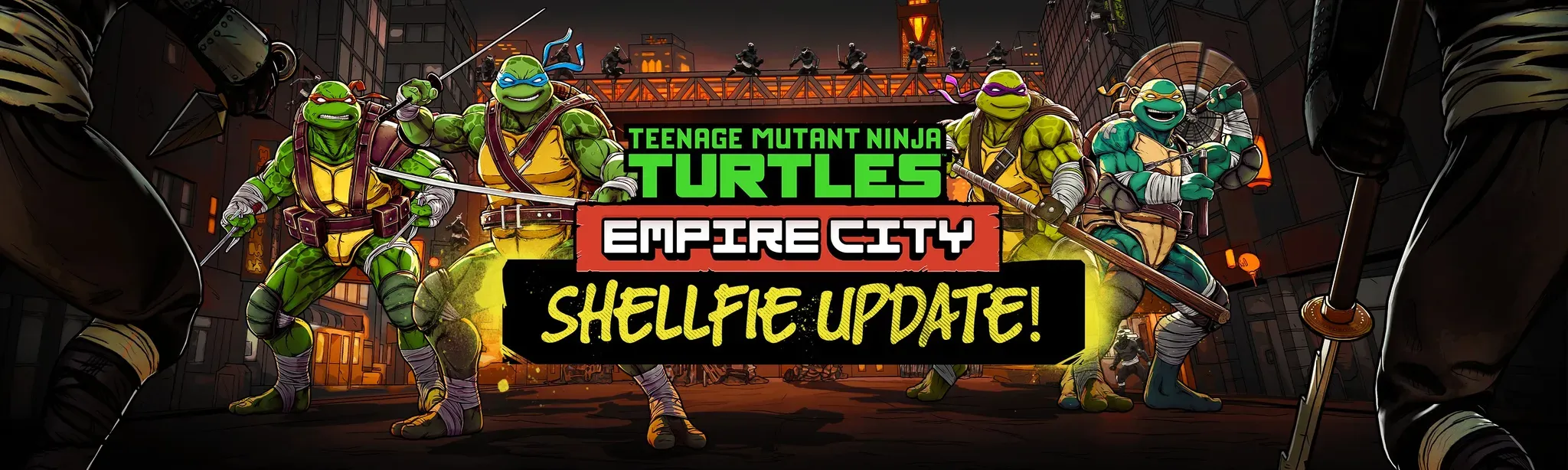
Teenage Mutant Ninja Turtles: Empire City is a first-person action adventure from Cortopia Studios, published by Beyond Frames Entertainment. It came out on April 30, 2026, and it is one of the five Best VR/AR Game nominees at The Game Awards 2026. If you just bought it, or you are about to, this guide covers the choices the game leaves to you: which brother to play, how its combat works, what fills the city between story missions, and how to set up four-player co-op without losing your campaign progress.
What TMNT: Empire City costs and where it runs
On the Meta Horizon Store the game costs $24.99, and its VRDB page shows a lowest tracked price of $15.99, first seen on September 22, 2026. It was not discounted when this guide was checked on November 22, 2026, and the VRDB on-sale page lists it whenever it is. The same page lists a Digital Deluxe Edition Upgrade at $4.99. The official Steam launch post says that upgrade adds four alternate Turtle skins (Mirage, Nostalgia, Owari Masks and Red Masks), an in-game digital art book and an in-game soundtrack.
The Quest version runs on Quest 3 and Quest 3S only, needs an internet connection and is not cross-buy, according to VRDB. On November 22, 2026 its page showed a 4.4 average from 478 ratings and version 1.0.9 on the store. The game is also sold on Steam for $24.99 and on Pico, and patch 1.0.9 of October 14, 2026 shipped on Meta Quest, Steam and Pico and added Steam Frame support.
Which Turtle to play: Leonardo, Raphael, Donatello or Michelangelo
The opening sequence teaches the basics and introduces each brother. After that you can switch freely between them from the arcade cabinet in the Lair. The official Steam post Master the Streets: Meet the Brothers, from May 13, 2026, says all four can finish the game with harness upgrades and that no role is required. The differences are weapon, range, health, a Focus trait and how each one grows when you upgrade the harness.
| Turtle | Weapon | Range | Health and damage | Style |
|---|---|---|---|---|
| Leonardo | Katanas | Close to medium | Moderate health, moderate damage | Beginner, standard |
| Raphael | Sai | Close | High health, high damage | Aggressive |
| Donatello | Bo staff | Medium to far | Low health, moderate damage | Advanced, defensive, crowd control |
| Michelangelo | Nunchucks | Close | Moderate health, moderate damage | Advanced |
Leonardo: the safe first pick
Leo’s Focus trait, Flow & Discipline, gives slower Focus decay and a moderate damage increase, and defeating enemies while Focused re-enables Focus Mode. The post describes him as designed to take your time during Focus Mode. Harness upgrades give him a modest amount of tech slots, item slots and health. If you are new to the game, start here.
Raphael: for players who stay in the fight
Raph starts with the highest health and damage of the four. His trait, Fury & Payback, builds Focus when you take damage, gives a high damage increase and decays quickly, so it rewards staying close to enemies. Upgrades add a large amount of health slots but few item and tech slots.
Donatello: reach and stuns, but fragile
Donnie’s bo reaches the farthest, but he has the lowest health. His trait, Supercharge & Extra Prep, gains a lot of Focus from blocks and parries, and his Focus Mode staff electrifies enemies to stun them. Patch 1.0.2 raised that stun from 1 second to 1.8 seconds. His upgrades lean on tech slots: a large amount of them, a modest amount of item slots and little health.
Michelangelo: the advanced pick
Mikey’s trait, Free Spirit & Punchline, lets you gain Focus by spinning the nunchucks, and his Focus Mode nunchucks stun, with a low damage increase. The same patch changed his stun from 3 seconds to 1.2 seconds. His upgrades give a high amount of item slots and a modest amount of health and tech slots, which suits players who like to carry more items.
How combat works: blocks, evades, counterattacks and Focus Mode
The Meet the Brothers post says fights with the Foot Clan require well-timed blocks, evades and counterattacks to survive. UploadVR’s review describes a parry system, unblockable attacks and items alongside Focus. The same review explains that the Focus meter fills as you attack and defeat enemies, and when it is full you get temporary perks such as more damage, depending on the Turtle.
Some practical points follow from the traits above:
- With Donatello, blocking and parrying is how you charge Focus, so play defensively and let enemies come to you.
- With Raphael, taking hits charges Focus, but his Focus drains fast, so use it as soon as it is ready.
- With Leonardo, chaining defeats during Focus Mode can keep it running.
- With Michelangelo, spinning the nunchucks builds Focus between attacks.
UploadVR adds that the Foot soldiers go down fairly quickly and that its reviewer stopped thinking about the Focus system midway through the game, so you do not need to master every system to finish the story.
Upgrades and crafting at Donnie’s workbench
The Steam store page says you grab new gear from Donnie’s workbench and equip gadgets and upgrades to build your loadout. UploadVR describes the lab in the sewer Lair as a physical skill tree: scrap you collect around the city buys items and extra perks and levels you up for more health and more perk or inventory slots. Artifacts you find can be turned into perks you can buy, and blueprints add new items you can craft. Smoke bombs are one of the items.
Your Turtle decides how those slots grow. Raphael’s upgrades favor health, Donatello’s favor tech slots, and Michelangelo’s favor item slots, so the same scrap builds each brother differently.
Crimes, side quests and ninja challenges
The Meet the Brothers post says that beyond the story you can take on emergent crimes and side quests, alone or in co-op, plus ninja challenges such as point-to-point races, basketball and shuriken darts. UploadVR adds enemy outposts to shut down, a crime level that is always tracked, and collectibles: artifacts, blueprints, cassette recordings that expand the story, and pieces of a chess set for the Lair scattered around the city. These are good jobs for a co-op group, since they do not move the story on.
How to host four-player co-op so your progress saves
Co-op supports up to four players with cross-play, according to the Meet the Brothers post. Here is how a session works, from the same May 13, 2026 post:
- Finish the last step of the crafting tutorial. Until you do, you cannot host.
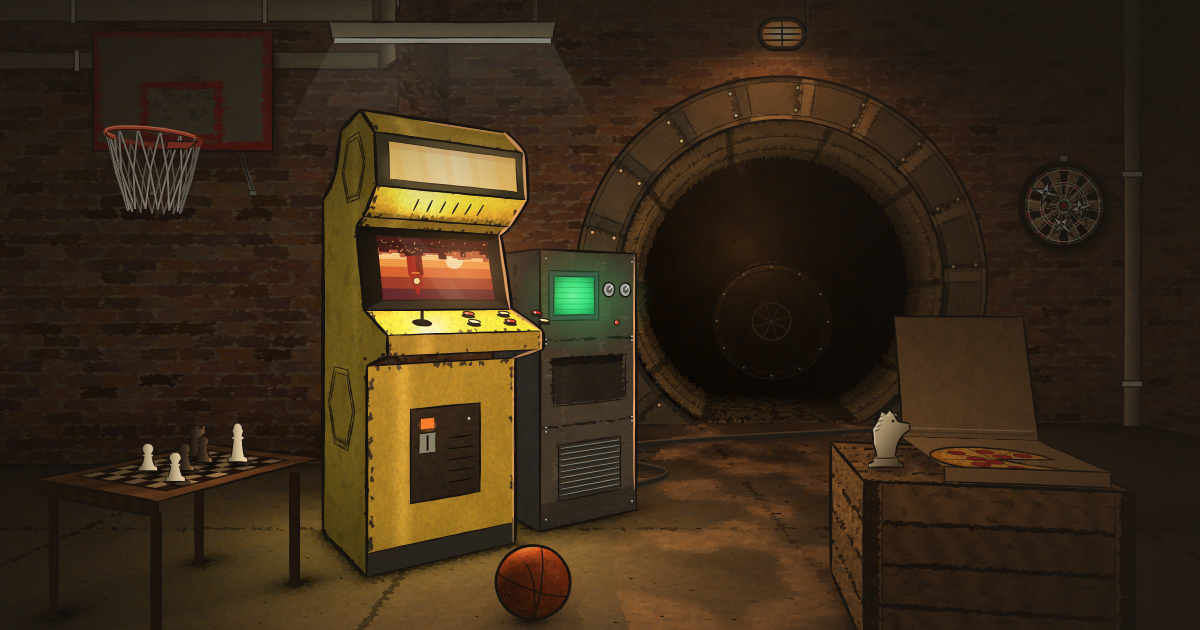
- In the Lair, go to the grey multiplayer machine near the main area entrance, next to the yellow arcade cabinet, and choose to host.
- The host gets a room code. Everyone in the session can see it at any time on their Turtle watch.
- Friends use the same machine in their own Lair and enter the code. If you are in the Lair, they join you there. If you are out in the city, they load in nearby with a marker pointing to you.
The catch: only the host’s campaign progresses. Story progress is not shared, and guests join wherever the host is in the story, so they may see spoilers. If you want to play the whole campaign with the same friends, make sure the person whose save should advance hosts every time. UploadVR makes the same point: if you split the story between solo play and co-op as a guest, you will have to replay those stretches alone.
If a guest disconnects, they can reload the game and enter the same code to rejoin. Patch 1.0.5, from June 9, 2026, added a room browser in beta: the host can keep a room private behind its code or list it publicly so anyone can join until it fills. The host can also mute, kick or ban players from the Turtle Watch menu, and a ban lasts for that session. On Quest, Meta’s standard player report tool is available too.
Two more patch notes help here. Patch 1.0.3 raised the number of save slots to four, so one headset can keep separate campaigns. Patch 1.0.7 fixed a bug that stopped a fourth player from joining. For more games to play with friends, see VRDB’s best online multiplayer Quest games.
Comfort settings before you start
VRDB lists the game’s comfort level as Moderate and supports sitting, standing and room-scale play. UploadVR notes stick-based movement with fast combat, climbing and platforming, snap or smooth turning and a vignette option, and it does not recommend the game to people new to VR. Patch 1.0.6 added a setting to choose between sitting and standing mode, with auto-detect still the default, and an in-game selfie camera in beta. The Meet the Brothers post also recommends trying the gameplay and accessibility settings early to find what suits you.
Beginner tips: a quick start checklist
- Start with Leonardo, then try the others from the Lair’s arcade cabinet.
- Practice timed blocks and evades early; Donatello in particular depends on them.
- Spend scrap at Donnie’s workbench and pick upgrades that fit your Turtle.
- Finish the crafting tutorial before you plan a co-op night.
- Let the player whose story should advance be the host.
For the headset’s specs and a list of games for it, see VRDB’s Meta Quest 3 page.
